
What Is Padel? Rules, Benefits and Padel Courts in London
Looking for padel courts in London or wondering how to get started with the sport? Whether you're a complete beginner or a seasoned player, padel is one of the UK's fastest-growing sports. Here's everything you need to know about how it works, its health benefits and where to play at The Green Quarter and beyond.
If Wimbledon has inspired you to pick up a racquet, but you’re looking to try something new, padel might just be the sport for you.
The Lawn Tennis Association officially calls padel “the world’s fastest-growing sport,” and it’s easy to see why.
Somewhere between tennis and squash, padel is the fastest-growing sport in the world right now with over 30 million players globally and presence in 130+ countries. Its combination of exercise, friendly competition and social interaction has helped fuel its popularity around the world.
According to the Lawn Tennis Association, more than 400,000 people played padel in Britain during 2024, rising further during 2025. Naturally, sporty celebrities have got in on the action including the likes of David Beckham, Serena Williams and Lionel Messi, the latter of whom has installed his very own padel court at home.

What is Padel?
Padel is a fast-paced racket sport that combines elements of tennis and squash. Played in doubles on an enclosed court surrounded by glass walls, it's easy to learn, highly sociable and suitable for players of all ages and abilities. With simple rules, longer rallies and an emphasis on teamwork over power, padel has become one of the world's fastest-growing sports.
How Was Padel Invented?
The first-ever padel court was built by Enrique Corcuera, the Mexican entrepreneur who invented the game, in Acapulco, Mexico, in 1969. Keen to create a racket sport court in his garden, Corcuera was limited by space, so instead of building a full-sized tennis court, he designed a smaller enclosed court surrounded by walls. The sport quickly gained popularity among Corcuera's friends and visitors. One of them, Prince Alfonso de Hohenlohe, who helped introduce padel to Spain, where the sport spread rapidly before becoming the global phenomenon it is today.
Why Is Padel So Popular?
Padel combines the fast-paced intensity of squash with the tactical strategy of tennis. Sociable, accessible and highly addictive, it’s perfect for newcomers and seasoned athletes alike.
Games are short and, rules are intuitive, making it easy to pick up. Because it is played in doubles on a smaller court, rallies tend to be longer and more social, creating a fun experience for players of all ages and abilities.

Parkside Padel Club at The Green Quarter
How To Play Padel
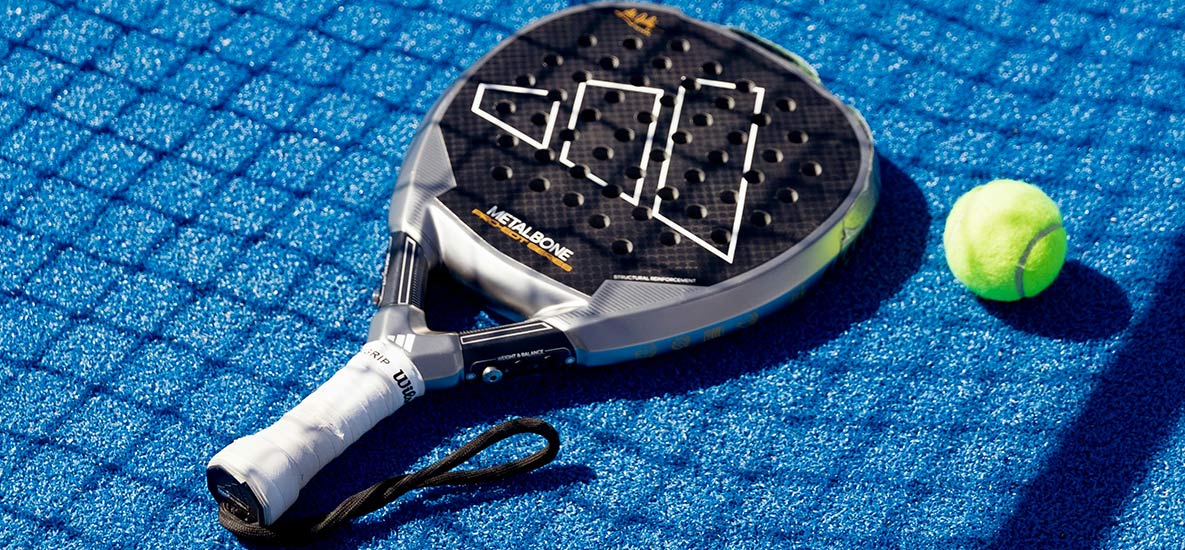
Social but strenuous, all that’s required to play are four people (it’s a game of doubles), padel rackets (sometimes referred to as bats and smaller than tennis rackets), a ball (lower in pressure than the one used for tennis) and a dedicated court (divided by a net and surrounded by glass walls).
Padel is played on an enclosed court roughly one-third the size of a tennis court, with glass walls and mesh fencing that keep the ball in play for longer rallies. The game is typically played in doubles, making it highly social and fast-paced. Players use solid, perforated rackets and a low-compression tennis ball, serving underhand into the opponent’s box.
“Padel is an exciting and fast-paced sport that offers a fantastic full-body workout incorporating several key fitness aspects, from cardiovascular endurance and muscle strength to core stability and aerobic exercise,” says Victor Perez, AKA ‘The Padel Coach’ @victorperezpadel on Instagram.
One of the unique aspects of padel is that the walls are part of the game, similar to squash - so balls can rebound off them, creating exciting angles and extended rallies. Scoring follows traditional tennis rules, but the emphasis is on strategy and positioning rather than sheer power, making it accessible for beginners and challenging for experienced players.
What Are the Rules of Padel?
Played like squash but scored like tennis, the aim of the game is to win two out of three sets that constitute a match with each set made up of six games. Games are started by an underarm serve that’s required to go diagonally into the opponent’s court, while all following shots need to bounce once on either side of the net during rallies.
Pairings win a point when the ball bounces twice, hits a person or comes into contact with something else before going over the net and into the opponent’s court. But the best bit? You can play your shots off the walls – even those on your side as long as you can get the ball to land back over the net – to find creative ways to outsmart your opponents. One of the most enjoyable aspects of the sport.
“Padel also thrives on its inclusive and social aspects. The doubles format encourages communication, teamwork and camaraderie on the court to strategise, volley and score; the enclosed court and easy rules make it accessible to a wide range of ages and skill levels; and the game often extends to socialising afterwards,” says Victor.
What Are the Health Benefits of Padel?
Padel is a fun way to stay active and improve your fitness. The fast-paced game helps boost cardiovascular health, while the movements involved can improve strength, balance, coordination and agility. Because it is played in doubles on a smaller court, it's suitable for a wide range of ages and abilities. As a social sport, padel can also help reduce stress, support mental wellbeing and encourage regular exercise.

Where Can You Play Padel in London?
As padel continues to grow in popularity, the UK is now home to almost 900 courts across around 300 venues, with new locations opening every year. London is now home to a growing number of padel venues, making it easier than ever to get involved.
DOSE, a lifestyle site covering topics that resonate with Londoners, has unveiled a helpful map of London’s padel courts this year, highlighting the most affordable and accessible.
London Padel Courts
Parkside Padel Club
Berkeley Group was the first major residential developer to incorporate padel courts into one of its developments in West London at The Green Quarter. Parkside Padel Club is part of a partnership with Game4Padel – the UK’s leading padel operator – and offers residents and the community access to equipment as well as three courts.
Racketeer
Also, just a ten-minute cycle from Grand Union the Racketeer is an indoor padel club in Park Royal, London, which is set to become the UK’s largest indoor racket sports venue.
The Padel Yard
Elsewhere, padel courts are springing up anywhere operators can find the space, including The Padel Yard in Wandsworth, London – just across from Wandsworth Mills, another of our developments.
Other Berkeley Padel Courts
There is also a padel court at Oakhill in Hildenborough, Kent. Sure to stoke competitive spirits.
Benefits of Living Near a Padel Court
Having a padel court on the doorstep of your own home can help you make playing padel part of your everyday lifestyle.
“Padel is proven to be more than just a sport,” says James Purton, Berkeley Group’s Operations Director. “It’s a catalyst for creating vibrant communities and fostering social connections. As an avid player myself, I’ve seen first-hand how it brings people together and provides an opportunity for a new generation of players.”
Why Try Padel?
Whether you're looking to improve your fitness, meet new people or simply try something different, padel offers an enjoyable way to stay active. With courts now available at The Green Quarter and across West London, there's never been a better time to pick up a racket and get involved.
Padel Courts FAQs
Can beginners play padel?
How many calories does padel burn?
Is padel easier than tennis?
What equipment do I need for padel?
What’s the difference between padel and pickleball?
What is the difference between padel and tennis?
Where can I play padel in West London?